If you keep “eating healthy” and the scales or your clothes do not change, it is not because you are broken. It is because a lot of people use a loose idea of healthy while missing the basics that drive fat loss: energy balance, enough protein, and consistent resistance training. Quick fixes and good intentions do not replace a simple, repeatable plan that fits life with kids.
Why calories still matter
- All foods, even whole-foods, contain energy. You can eat "clean" chicken, avocado and brown rice and still be in a calorie surplus if portions are too large.
- Fat loss requires a consistent calorie deficit over time. If your daily intake regularly exceeds your daily needs, eating healthy is not enough to lose fat.
- Practical point: start with a modest, sustainable deficit rather than drastic restriction. Small, consistent changes win.
Why protein and muscle matter
- Muscle tissue burns more energy at rest than fat and keeps your body composition looking leaner as you lose weight.
- Many parents underestimate protein at meals. Low protein means more hunger and less ability to preserve muscle during a calorie deficit.
- Actionable fix: aim to include a source of protein at every meal and snack. Simple examples: eggs, canned tuna, Greek yoghurt, lean mince, legumes.
Portion creep and invisible calories
- Portions grow without us. The extra spoonful of rice, a handful of nuts, or a daily latte add up.
- Liquid calories and sauces are common culprits. They are easy and often overlooked.
- Practical tip: plate-based portions are faster than weighing long term. Use your palm for protein, a cupped hand for carbs, and a thumb-sized portion for fats as a starting heuristic.
Inconsistency beats intention
- Life with kids, shift work and after-school activities breaks routines. A few good days followed by a weekend of "back to normal" stalls progress.
- The goal is consistency, not perfection. Consistent 70 percent adherence beats perfect 2-week diets.
- Build habits you can maintain: scheduled meal prep, family-friendly dinners, and an exercise slot that fits your week.
Sleep, stress and movement
- Lack of sleep and high stress increase appetite and make food choices harder. They also reduce the motivation and energy for workouts.
- Low daily activity matters too. Sitting all day means fewer calories burned outside exercise.
- Focus on simplified sleep routines, short walks with the kids, and stress-reducing habits like breath breaks rather than waiting for perfect sleep.
What to do instead: a practical 6-point checklist for busy parents
- Get a rough baseline. Track food and activity for one week to see where calories and protein currently sit. Use an app or a simple photo log.
- Prioritise protein. Add a protein source to each meal and most snacks. Aim for consistency rather than exact grams.
- Schedule resistance training. Two weekly strength sessions deliver big returns for time invested. Supplement with regular walks.
- Reduce invisible calories. Cut or swap high-calorie drinks and sauces. Use smaller plates and measure for one week to retrain portions.
- Sleep and stress. Set one non-negotiable sleep habit and a daily movement goal like a 20 minute walk.
- Review weekly. Check one metric weekly: weight trend, measurements, or progress photos. Make small adjustments, not dramatic overhauls.
Simple meal strategies that actually reduce calories
- Protein-first plates: fill half the plate with veg, a palm-sized portion of protein, and a smaller portion of carbs. This lowers calorie density while keeping you full.
- Batch basics: cook 1 to 2 protein sources and a couple of veg options on a Sunday. Mix and match through the week to avoid takeaways.
- Swaps that help: swap flavoured yoghurt for natural yoghurt with fresh berries, trade sugary drinks for sparkling water with lemon, use lettuce wraps instead of wraps when possible.
- Kid-friendly approach: serve a protein focus for adults and simple sides kids will eat. You do not need a separate meal for the family every night.
Training that fits your week
- Why 2 strength sessions work: two focused resistance sessions per week preserve and build muscle and improve strength. They are time efficient and sustainable.
- Add low-effort cardio: frequent short walks or play sessions with the kids increase daily energy expenditure and help recovery.
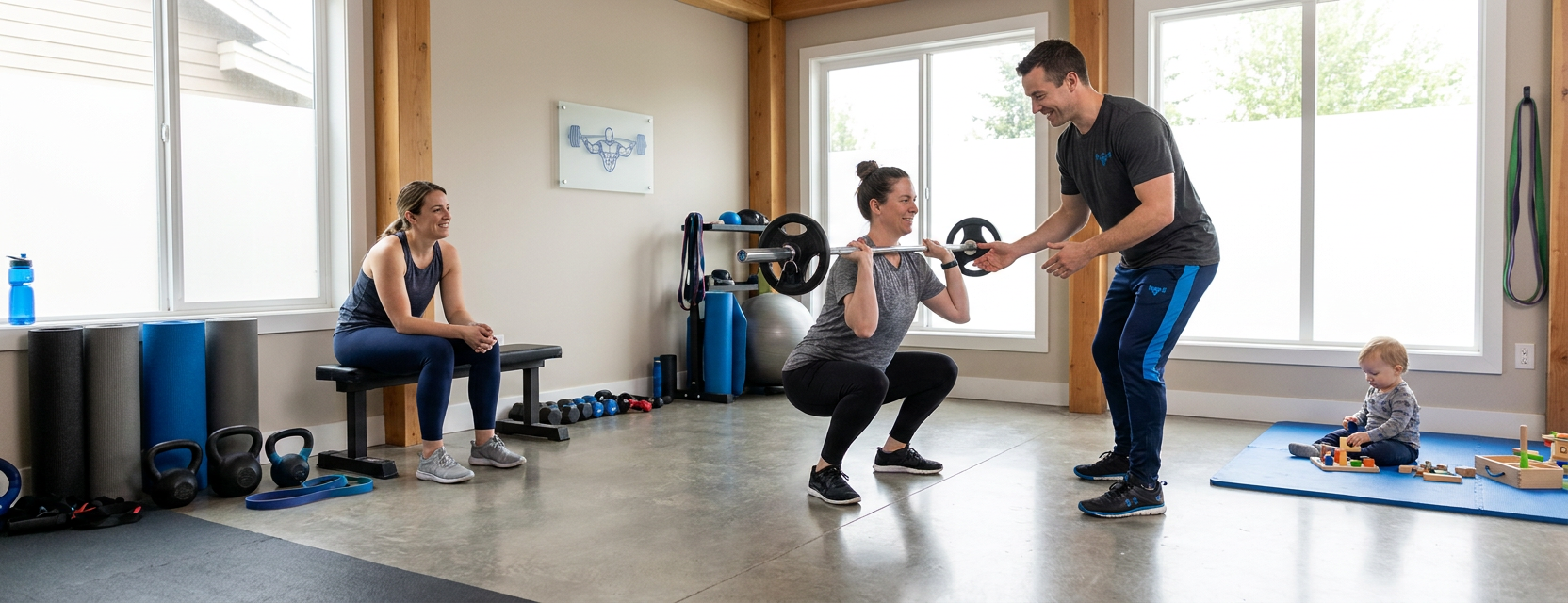
- If you can, use coached small group sessions. Group training gives structure, coaching and accountability so you do the right work in the right order. If you want a straightforward short trial to see how it fits your week, the BPT 2-Week Kickstart Trial is designed for adults who feel nervous about joining a gym or want a clear first step. It includes fully coached sessions, nutrition guidance and a welcoming Cranbourne North studio environment.
How to track progress without obsession
- Pick one primary metric: weekly weigh-in trend, weekly photos, or waist measurement. Use the same conditions each week.
- Make small tweaks. If progress stalls for 2 to 4 weeks, reduce weekly calories slightly or add a bit more activity. Avoid reacting to daily weight swings.
- Use accountability that fits you. Weekly check-ins with a coach or a simple accountability partner can maintain adherence without micromanagement. BPT offers online coaching and personal training options that include structured programming and weekly check-ins if you want a guided approach.
A few realistic examples you can implement this week
- Swap a sugar-sweetened coffee for black coffee or coffee with a splash of milk and cut a 200 to 300 calorie daily leak.
- Replace one take-away dinner with a batch-cooked tray bake of chicken thighs, sweet potato and mixed veg. Make enough for leftovers.
- Book two 30 to 40 minute strength sessions for the week and commit to a 20 minute walk on three other days.
Final note Eating healthy in the general sense is useful. It becomes ineffective for fat loss when it lacks structure, portion control, adequate protein and consistent training. Busy parents need plans that fit real life and give steady progress without extreme restriction.
Ready for a simple, coached start? Try the BPT 2-Week Kickstart Trial to experience coached small group sessions, nutrition guidance and accountability in our private Cranbourne North studio, or Book a consultation to talk through a plan that fits your week.
Written By
Trent Baynes - BPT
Published by Baynes Performance Training with practical coaching insight focused on body transformation, nutrition, and sustainable performance.
FAQ
If I already 'eat healthy' why am I not losing fat?
Healthy foods still contain energy. If you eat more energy than you burn you will not lose fat. Common causes are large portion sizes, calorie-dense healthy foods like nuts and oils, and not prioritising protein. Also, no resistance training means you lose less fat and muscle. The fix is a simple calorie-aware approach, more protein and consistent strength work.
I am a busy parent. How can I track food without spending hours?
Use a practical system: measure or estimate portions for core meals for two weeks, track those in a phone app or a simple notebook, and treat weekends as flexible. Focus on protein targets and a rough calorie range rather than daily exactness. Weekly check-ins and a 10 minute review beat daily stress.
Do I have to cut carbs or give up family meals?
No. Most parents succeed by adjusting portion sizes and meal structure. Keep family meals but plate servings differently for adults, add a protein-rich element and reduce high-calorie extras. Small changes that are sustainable win over strict rules.
How much strength training do I need to lose fat?
Two focused sessions per week is a realistic and effective starting point for busy parents. Aim for compound lifts or coached circuit sessions that build or maintain muscle. Consistent resistance work improves body composition and makes dietary changes more effective.
What is the easiest way to get started with coaching at BPT?
The simplest low-risk step is the [BPT 2-Week Kickstart Trial](/kickstart). It includes three fully coached small group sessions per week for two weeks, nutrition guidance and proper coaching from day one. If you want tailored one on one support, you can also [Book a consultation](/contact#contact-form).
Next Step
Want tailored help instead of generic advice?
Baynes Performance Training offers private coaching, nutrition support, and structured transformation plans built around your actual schedule and goals.